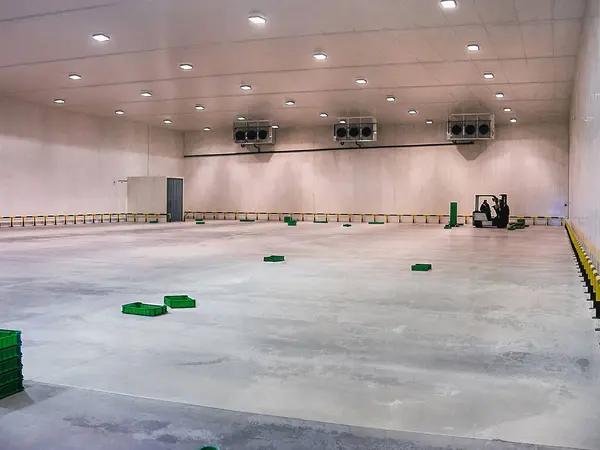
Maintaining commercial refrigeration units is essential for business owners who rely on these systems to preserve perishable goods and ensure smooth operations. Regular maintenance not only extends the lifespan of the equipment but also helps prevent costly breakdowns that can disrupt service and lead to product loss. One of the fundamental practices in refrigeration upkeep involves keeping the condenser coils clean. Dust, dirt, and debris tend to accumulate on these coils over time, reducing their efficiency and forcing the system to work harder than necessary. Cleaning the coils with a soft brush or vacuum at least every few months can improve performance significantly.
Another important aspect is monitoring temperature settings consistently. Refrigerators and freezers should operate within recommended temperature ranges specific to the type of products stored inside. Fluctuations or incorrect settings may compromise food safety standards and increase energy consumption. Business owners should invest in reliable thermometers or digital monitoring devices that provide real-time data, allowing quick adjustments when needed.
Routine inspection of door seals plays a crucial role in maintaining optimal cooling conditions. Worn-out gaskets allow cold air to escape while letting warm air enter, causing compressors to run longer and increasing electricity bills. Checking seals for cracks or gaps regularly ensures tight closure, which preserves internal temperatures efficiently.
Drain lines require attention as well since blockages can cause water buildup inside units leading to leaks or mold growth. Clearing drain lines periodically prevents clogs that might otherwise damage components or create unsanitary environments detrimental to health regulations.
Scheduling professional servicing at least twice annually is advisable for comprehensive checks beyond basic cleaning tasks performed by staff members. Technicians examine refrigerant levels, electrical connections, fans, motors, and other critical parts prone to wear over time. Early detection of potential issues allows prompt repairs before failures occur during peak business hours.
Training employees about proper usage habits also contributes positively toward maintenance efforts. Avoiding frequent door openings minimizes temperature fluctuations; promptly reporting unusual noises or malfunctions facilitates timely intervention; ensuring storage guidelines are followed reduces strain on refrigeration systems by preventing overcrowding which hinders airflow circulation inside compartments.
Energy efficiency remains an ongoing concern in Commercial Refrigeration management because it directly impacts operational costs. Upgrading older models with energy-efficient alternatives equipped with advanced insulation materials and smart controls results in long-term savings while supporting environmental sustainability goals embraced by many businesses today.
In conclusion, diligent care through regular cleaning, inspections, temperature monitoring, professional servicing, employee training, and consideration for energy-efficient upgrades forms a comprehensive strategy for maintaining commercial refrigeration systems effectively. Business owners who prioritize these practices protect their investments while delivering consistent quality products safely stored at optimal temperatures essential for customer satisfaction and regulatory compliance alike.