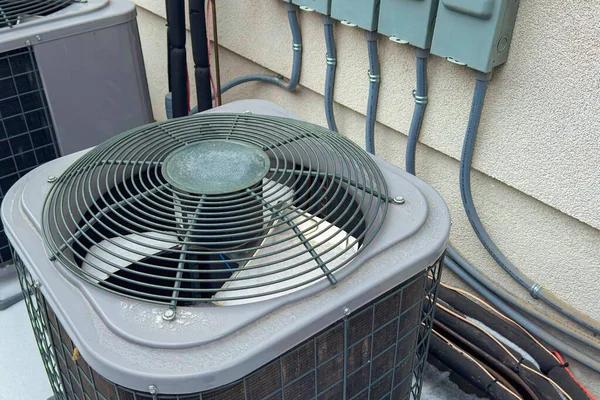
In the modern world, where we spend a significant amount of our time indoors, creating comfortable and productive environments is crucial for enhancing well-being and efficiency. One of the key components in achieving this is through tailored HVAC (Heating, Ventilation, and Air Conditioning) solutions. These systems are not just about regulating temperature; they play an integral role in maintaining indoor air quality, humidity levels, and overall comfort.
Tailored HVAC solutions begin with a comprehensive assessment of the specific needs of a building or space. Unlike standard systems that offer a one-size-fits-all approach, customized HVAC systems consider factors such as the size of the area, its usage patterns, occupancy levels, local climate conditions, and even architectural design features. This detailed analysis ensures that the system installed can efficiently meet the unique demands of each environment.
One major advantage of customized HVAC solutions is their ability to enhance energy efficiency. By precisely matching system capacity with actual demand rather than over-sizing or under-sizing equipment—common issues with generic installations—tailored systems minimize energy wastage. This not only reduces operational costs but also contributes to environmental sustainability by lowering carbon footprints.
Moreover, tailored HVAC solutions significantly improve indoor air quality (IAQ). Good IAQ is essential for health and productivity as it prevents issues such as allergies or respiratory problems caused by pollutants like dust mites or volatile organic compounds (VOCs). Customized ventilation strategies ensure adequate fresh air circulation while effectively filtering find out contaminants. Advanced technologies like HEPA filters or UV light purifiers can be integrated into these bespoke systems to further enhance IAQ.
Humidity control is another critical aspect managed effectively by tailored HVAC solutions. Proper humidity levels prevent problems associated with both excessive dryness—which can lead to skin irritation—and high moisture content—which fosters mold growth harmful to health structures alike—thereby ensuring occupants remain comfortable throughout varying seasonal changes without compromising on safety standards either way around too much moisture versus too little thereof respectively speaking here today now more than ever before perhaps!