
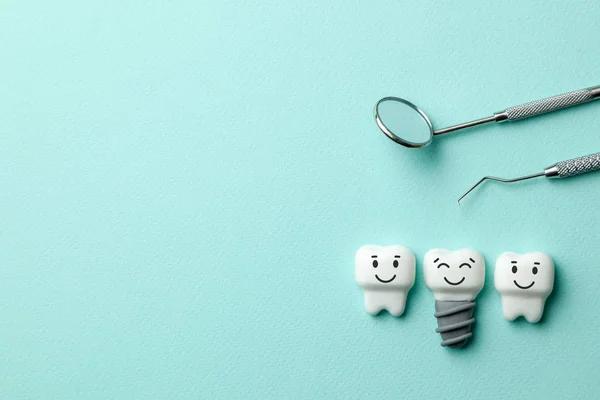
Tiny tooth cracks, often overlooked in their initial stages, can develop into significant dental issues if not addressed promptly. These minute fractures in the enamel, known as craze lines or microcracks, might seem harmless at first glance. However, they can compromise the structural integrity of a tooth over time and lead to more severe problems.
The enamel is the hard outer layer that protects our teeth from decay and damage. Despite its resilience, it is not immune to wear and tear. Everyday activities such as chewing hard foods, grinding teeth (bruxism), or even sudden temperature changes from consuming hot and cold beverages can cause stress on the enamel. This stress may result in tiny cracks forming on the surface of a tooth.
Initially, these microcracks are often painless and difficult to detect without professional examination by a dentist. They usually manifest as superficial lines that do not penetrate deeply into the dentin—the layer beneath the enamel—or reach the pulp where nerves reside. However, ignoring them can allow these cracks to expand gradually due to continuous pressure from daily oral functions.
As these tiny fractures widen or deepen over time, they create pathways for bacteria to infiltrate deeper layers of a tooth. This bacterial invasion see all resources can lead to decay beneath the surface—a condition not easily visible but potentially harmful if untreated. Once bacteria breach beyond just causing cavities within enamel’s protective barrier into dentin territory—where nerve endings lie closer—the risk escalates significantly towards infection reaching pulp tissue inside roots themselves!
A cracked tooth syndrome might develop when small fractures extend below gum line; symptoms include sharp pain while biting down certain ways because pieces shift slightly apart upon pressure application then snap back together again once released!