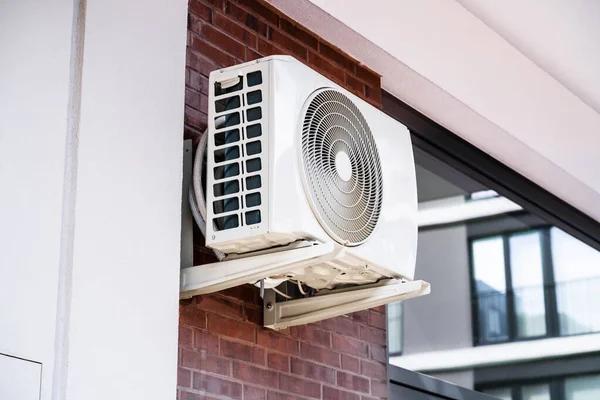
Mini split air conditioning systems have become increasingly popular among homeowners and businesses due to their efficiency, flexibility, and ease of installation. As technology advances, several trends in mini split AC units are shaping the market, offering buyers more options and improved performance. Understanding these trends can help potential buyers make informed decisions when selecting a system that meets their specific cooling needs.
One significant trend is the growing emphasis on energy efficiency. Modern mini splits often feature inverter technology, which allows compressors to adjust their speed based on demand rather than running at full capacity continuously. This results in reduced energy consumption and lower utility bills. Many new models also carry high Seasonal Energy Efficiency Ratio (SEER) ratings, making them attractive for those seeking environmentally friendly solutions without sacrificing comfort.
Another important development is the integration of smart features into mini split systems. Buyers now find units equipped with Wi-Fi connectivity that enables remote control through smartphone apps or voice assistants like Alexa and Google Assistant. This convenience allows users to adjust temperature settings from anywhere, schedule operation times, and receive maintenance alerts. Such advancements enhance user experience while promoting better energy management.
The design of mini split units has also evolved to blend seamlessly with modern interiors. Manufacturers offer sleek indoor units available in various styles and colors that complement different décor themes without being intrusive. Compact sizes allow installations in tight spaces where traditional central air systems would be impractical or impossible to set up.
Multi-zone capabilities represent another noteworthy trend gaining traction among consumers looking for customized climate control solutions within a single property. Multi-zone mini splits enable independent temperature regulation across multiple rooms using one outdoor condenser connected to several indoor heads. This setup not only improves comfort by catering to individual preferences but also increases overall system efficiency since unused zones can remain off when not needed.
Additionally, eco-friendly refrigerants are becoming standard as regulations phase out older substances harmful to the environment. Newer mini splits use refrigerants like R-32 or R-410A that have lower global warming potential compared to predecessors such as R-22. These choices reflect industry efforts toward sustainability while maintaining effective cooling performance.
Lastly, noise reduction remains a priority in recent models with enhanced compressor designs and insulated components minimizing operational sound levels inside living spaces or offices alike.
In summary, buyers exploring Mini Split AC options should consider trends emphasizing energy efficiency through inverter technology, smart connectivity features for convenient control, aesthetically pleasing unit designs suited for modern environments, multi-zone configurations allowing personalized comfort management, environmentally responsible refrigerants aligning with green standards, and quieter operation enhancing user experience overall. These developments collectively contribute toward more efficient cooling solutions tailored precisely to diverse consumer requirements today’s market demands.