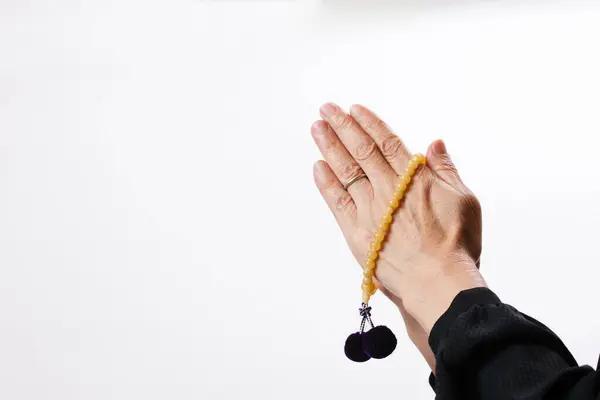
The Yizkor prayer holds a profound place in Jewish tradition, serving as a poignant moment of reflection and remembrance for those who have lost their parents. This powerful prayer is recited during specific Jewish holidays—Yom Kippur, Passover, Shavuot, and Shemini Atzeret—when the community gathers to honor the memories of deceased loved ones. The Yizkor service provides an opportunity for individuals to connect with the past, embracing both the sorrow and gratitude that accompany such personal losses.
At its core, Yizkor is more than just a ritualistic recitation; it is an emotional bridge between the living and those who have passed on. When one recites yizkor prayer for mother and father, it becomes an intimate dialogue with memory itself. The words evoke cherished moments shared with parents while simultaneously acknowledging their absence. This duality makes Yizkor uniquely powerful—it allows mourners to grieve yet also celebrate the enduring impact of parental love and guidance.
In Jewish belief, saying Yizkor elevates the souls of the departed through acts of charity (tzedakah) performed in their memory. It underscores Judaism’s emphasis on deeds over mere words—a reminder that our actions can continue to affect change even after someone has left this world. By pledging charity during these prayers, participants not only honor their parents but also contribute positively to society in ways that reflect parental teachings.
The structure of Yizkor includes personal petitions where individuals mention names specifically—their mother’s name when praying for her soul or father’s name similarly—making each prayer deeply personalized and heartfelt. These invocations are often accompanied by vivid recollections: a father’s wisdom imparted during quiet conversations or a mother’s nurturing presence felt throughout childhood years.
While attending remembrance services might seem daunting due to intense emotions involved, many find solace within communal settings where shared experiences foster mutual support among congregants facing similar losses. The collective nature imbues individual grief with broader significance; everyone present understands what it means lose someone dear thus creating space empathy healing communal strength resilience amidst pain mourning solitude isolation otherwise experienced alone outside such gatherings .
Moreover , this sacred time encourages introspection prompting participants consider how best embody values legacies inherited from forebears . Whether continuing family traditions pursuing aspirations inspired by parental example ensuring future generations learn appreciate cultural heritage handed down them each person emerges renewed sense purpose direction following observance .
Ultimately , whether whispered softly synagogue pews uttered silently heart home far away familiar surroundings comforting embrace fellow worshippers beside us all gain immeasurable comfort reassurance knowing never truly alone journey remembering honoring beloved mothers fathers whose spirits remain eternal guiding lights illuminating paths forward lives lead today tomorrow beyond forevermore eternity entwined together timeless bond transcends physical realm existence endures always .