
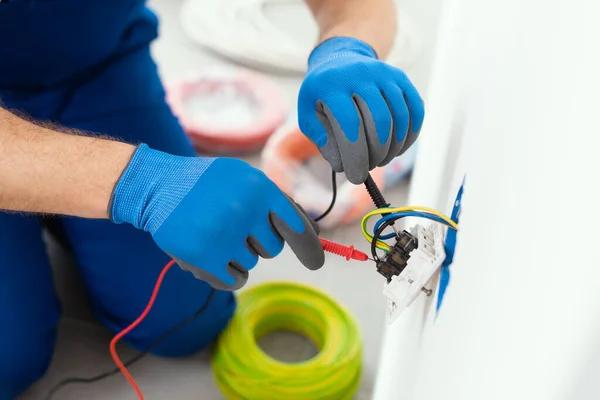
Upgrading the electrical system in a residential home is essential to accommodate the demands of modern living. Many older homes were built with electrical wiring and panels designed for minimal power consumption, typically supporting basic lighting and a few appliances. Today’s households rely heavily on numerous electronic devices, smart home technologies, and high-powered appliances, all of which require a more robust and safer electrical infrastructure. Without proper upgrades, the existing wiring may be insufficient, leading to frequent circuit breaker trips, power outages, or even dangerous situations such as electrical fires.
One of the primary reasons for upgrading a residential electrical system is safety. Older wiring materials, such as knob-and-tube or aluminum wiring, can degrade over time and may no longer meet current electrical codes. These outdated systems increase the risk of electrical faults, including overheating and short circuits. Modern electrical standards have evolved to address these safety concerns, requiring grounding, updated circuit breakers, and safer wiring methods. Upgrading ensures compliance with these standards, reducing the likelihood of electrical hazards and providing peace of mind for homeowners.
Lighting Installation in Southern Pines
Another important factor is the increased electrical load that modern homes demand. Devices such as computers, smart TVs, kitchen appliances, HVAC systems, and electric vehicle chargers all consume substantial power. The original electrical panels in older homes often lack the capacity to support this load efficiently. Upgrading the service panel and circuit breakers allows the system to handle higher amperage, preventing overloads and ensuring that electrical devices operate reliably. This not only improves daily convenience but also helps protect sensitive electronics from damage caused by inconsistent power supply.
Energy efficiency is also enhanced through upgrades for residential electrical systems components, including LED lighting, smart thermostats, and energy-efficient appliances, work best with updated wiring and controls. An upgraded system can integrate these technologies seamlessly, contributing to lower energy bills and a reduced environmental footprint. Additionally, adopting newer electrical solutions can increase the overall value of a home, making it more attractive to potential buyers who prioritize safety, efficiency, and modern amenities.
In summary, upgrading the electrical system in a residential home is a critical step to ensure safety, accommodate higher power demands, improve energy efficiency, and maintain compliance with current codes. As technology continues to advance and homes become increasingly reliant on electrical devices, investing in electrical upgrades is a practical and necessary decision for homeowners seeking a reliable and safe living environment.
After Hours Electrical, LLC
220 E Illinois Ave #17, Southern Pines, NC 28387
910-303-7722