
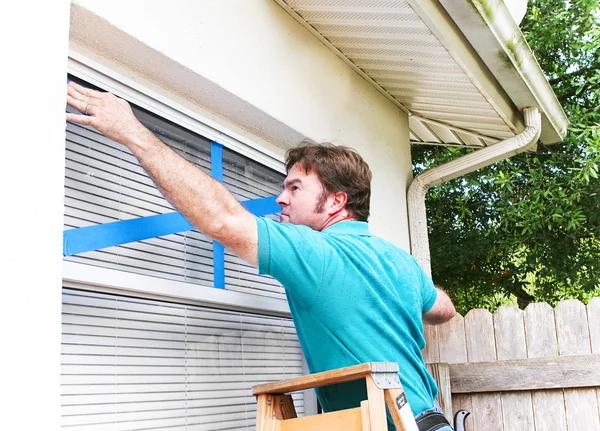
Selecting the right hurricane protection for your windows is a critical decision that can significantly impact the safety and security of your property during severe weather events. When evaluating options, it is important to consider factors such as durability, ease of installation, maintenance requirements, and cost. The goal is to find a solution that provides reliable protection against high winds and flying debris while fitting within your budget and aesthetic preferences.
One of the most common types of hurricane window protection is impact-resistant glass. This option involves replacing standard window panes with laminated glass designed to withstand strong impacts without shattering. Impact-resistant windows offer continuous protection without requiring additional setup before a storm hits. They also provide energy efficiency benefits and reduce noise infiltration. However, they tend to be more expensive upfront compared to other alternatives.
Storm shutters are another widely used form of window protection. These come in various materials including aluminum, steel, polycarbonate, or wood. Aluminum shutters are lightweight yet strong and often feature accordion or roll-down designs for quick deployment. Steel shutters provide robust defense but can be heavier and require more effort to install or remove. Polycarbonate panels offer transparency combined with strength but may not suit every architectural style. Wood explore our site shutters add an aesthetic appeal but typically need regular maintenance to remain effective.
Permanent storm panels made from metal or polycarbonate sheets are also popular choices due to their affordability and straightforward installation process. These panels attach directly over windows using tracks or fasteners prior to anticipated storms. While they do not obstruct views when removed during calm weather, storing them safely when not in use is necessary since they can be bulky.
When choosing the best option for your property, assess how frequently hurricanes occur in your area along with local building codes that might mandate specific standards for wind resistance. Consulting with professional contractors who specialize in hurricane mitigation can help ensure compliance with regulations while providing expert advice tailored to your home’s construction type.
It is equally important to factor in long-term considerations such as potential insurance discounts offered by certain protective measures and overall lifespan of the product chosen. Some solutions may require periodic inspections or repairs after storms which should be accounted for in ongoing maintenance plans.
Ultimately, selecting appropriate hurricane window protection involves balancing safety requirements with practical concerns like cost-effectiveness and convenience. By carefully researching available products and seeking professional guidance where needed, homeowners can make informed decisions that enhance their property’s resilience against hurricanes while preserving comfort throughout the year.