
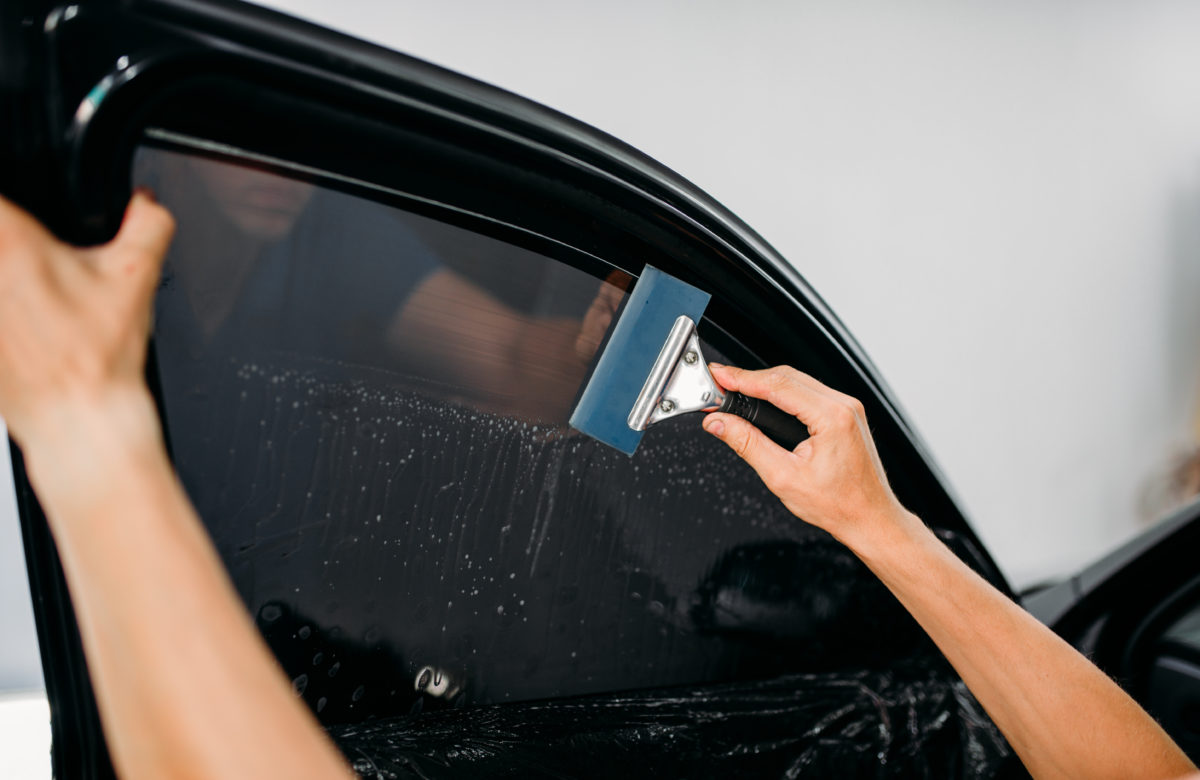
Window tinting installation work plays a significant role in improving overall performance longevity of interior spaces and assets. By optimizing environmental conditions, tinted windows help systems, materials, and occupants function more efficiently for extended periods.
- Reduces internal heat buildup, supporting stable performance conditions
- Minimizes strain on cooling systems, allowing longer operational life
- Maintains balanced indoor temperatures across different spaces
- Enhances overall workplace and home comfort levels
- Supports consistent environmental control throughout the day
- Helps reduce unnecessary energy fluctuations
Extended Lifespan of Interior Assets and Materials
One of the strongest advantages of window tinting solutions is the protection it offers to interior elements, helping them maintain quality and durability over time. Elegant property designs feature Luxury Glass Tinting to enhance aesthetics while ensuring long-lasting durability and energy savings benefits.
- Prevents fading of furniture, flooring, and decorative surfaces
- Reduces material degradation caused by constant sun exposure
- Helps preserve texture, color, and finish of interior installations
- Protects sensitive equipment from heat-related wear
- Maintains structural integrity of interior fittings
- Reduces long-term replacement and maintenance needs
Improved Energy System Performance Over Time
By controlling heat and light exposure, window tinting installation contributes to better energy management and sustained system efficiency.
- Lowers demand on air circulation and cooling systems
- Helps maintain consistent energy consumption levels
- Reduces overheating risks in enclosed environments
- Improves efficiency of climate control systems
- Supports smoother functioning of electrical systems
- Encourages balanced energy usage throughout the space
Better Indoor Environmental Stability
Performance longevity is strongly linked to stable environmental conditions, and window tinting enhances this stability effectively.
- Reduces glare for improved visual comfort and productivity
- Maintains steady lighting conditions indoors
- Helps regulate humidity and temperature variations
- Creates a more controlled and predictable indoor atmosphere
- Improves comfort for occupants across all zones
- Supports healthier long-term indoor living and working conditions
Increased Durability of Glass and Structural Surfaces
Window tinting also strengthens glass surfaces, contributing to safer and more durable building structures.
- Reinforces glass against minor impacts and pressure changes
- Helps hold glass fragments together if breakage occurs
- Reduces stress caused by thermal expansion and contraction
- Enhances resistance to daily wear and environmental exposure
- Supports long-term structural stability of window systems
- Improves overall building resilience
Long-Term Maintenance Reduction Benefits
Another key advantage of window tinting installation is the reduction in maintenance requirements, which supports sustained performance over time. Office buildings improve energy efficiency and reduce glare significantly with window film applications on glass for enhanced workplace comfort always.
- Decreases frequency of repairs and replacements
- Reduces cleaning effort due to improved surface protection
- Minimizes damage caused by environmental exposure
- Helps maintain fresh and clean interior appearance
- Lowers long-term operational upkeep costs
- Ensures smoother maintenance planning and execution
Sustainable Performance and Long-Lasting Value
Window tinting services contribute to sustainable performance by improving efficiency, durability, and comfort simultaneously.
- Promotes eco-friendly energy consumption habits
- Enhances long-term usability of interior spaces
- Supports consistent operational efficiency
- Reduces waste from frequent replacements
- Improves overall building performance quality
- Delivers lasting value across residential and commercial environments
Conclusion
Window tinting installation work significantly enhances performance longevity by improving environmental stability, protecting interior assets, and optimizing energy efficiency. With its wide range of benefits, it creates durable, comfortable, and efficient spaces that maintain high performance levels over extended periods.