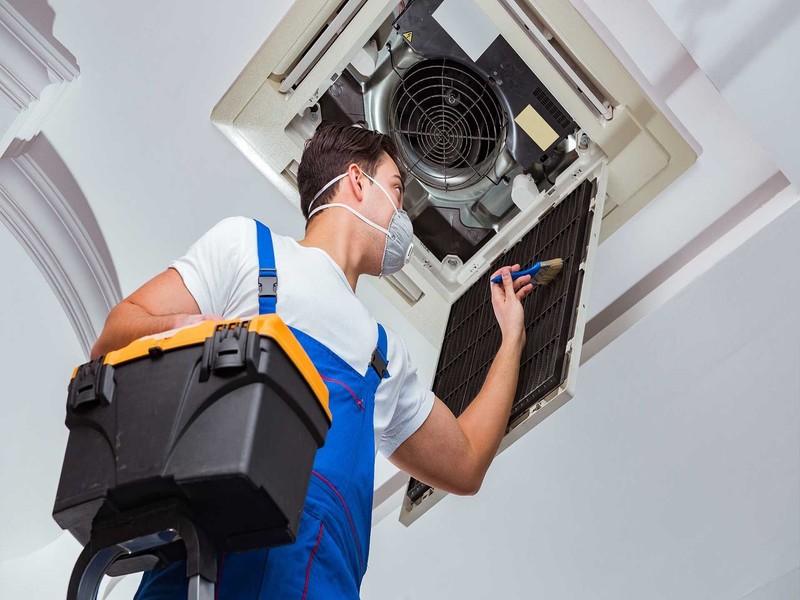

Proper maintenance is essential to extend the life of air conditioners and ensure they operate efficiently. Regular care not only prevents unexpected breakdowns but also helps reduce energy consumption, saving money in the long run. One of the most important steps in maintaining an air conditioner is cleaning or replacing the filters regularly. Dirty filters restrict airflow, causing the system to work harder and increasing wear on components. Depending on usage and environmental conditions, filters should be checked monthly and cleaned or replaced every one to three months.
Another critical aspect involves inspecting the coils inside the unit. Over time, evaporator and condenser coils accumulate dirt that diminishes their ability to absorb heat effectively. Cleaning these coils annually can improve performance significantly. It is advisable to turn off power before attempting any cleaning near electrical parts for safety reasons.
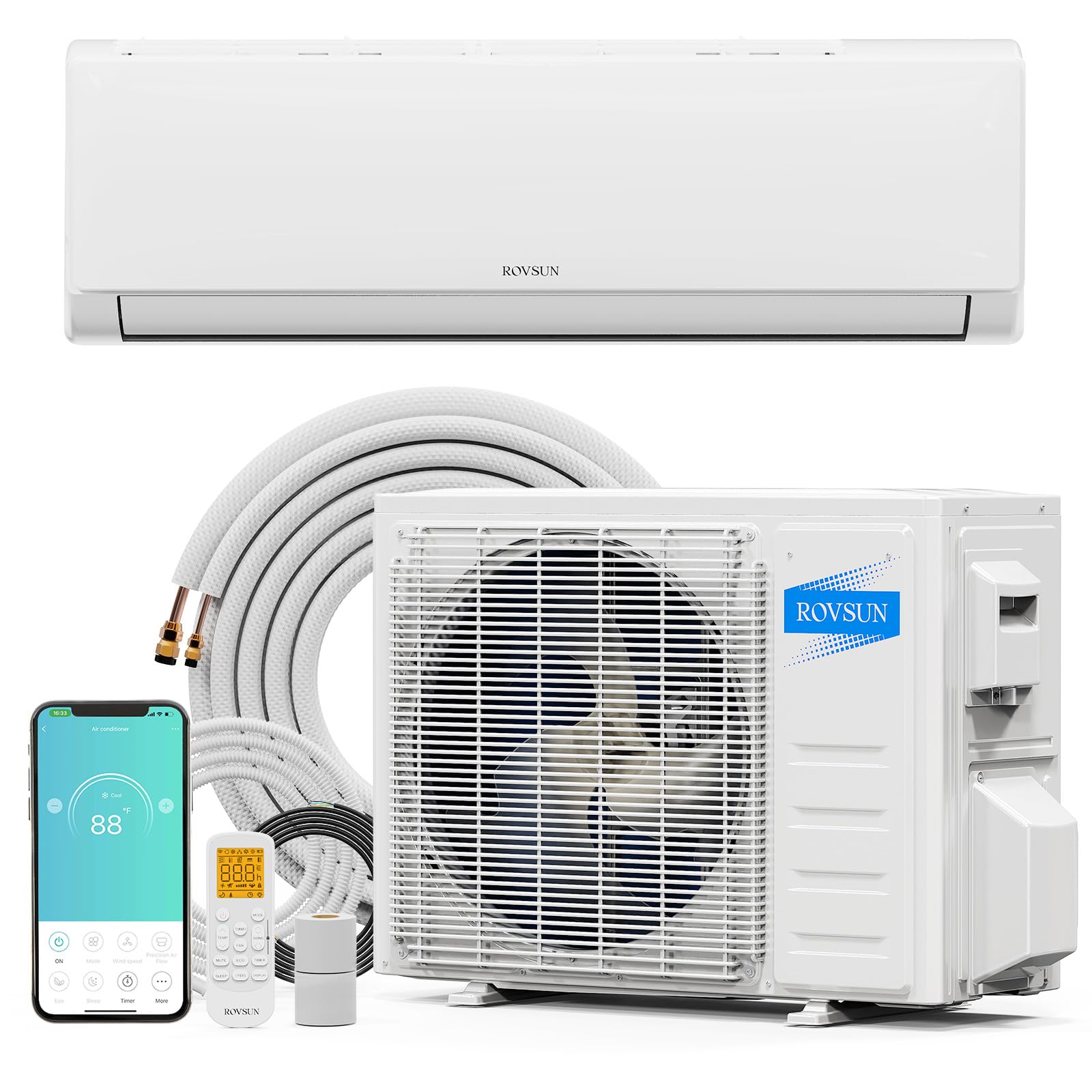
Checking and clearing debris around outdoor units plays a vital role as well. Leaves, grass clippings, dust, and other obstructions can block airflow around the condenser coil, reducing efficiency and potentially causing overheating issues. Maintaining at least two feet of clearance around outdoor units allows proper ventilation.
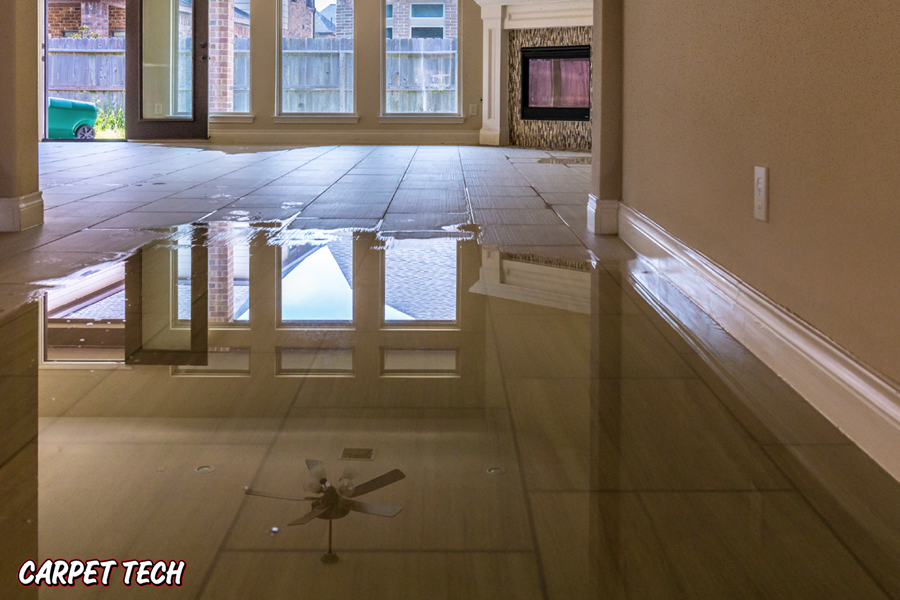
Ensuring proper drainage from the condensate drain line is equally important since clogged drains can lead to water discover further damage or increased humidity levels indoors. Flushing this line periodically with a mild solution like vinegar helps prevent mold growth and blockages.
Monitoring refrigerant levels is another key factor in extending an air conditioner’s lifespan. Low refrigerant indicates leaks or insufficient charge that forces compressors to work harder than necessary, which may cause premature failure over time. If you notice reduced cooling performance or ice buildup on coils, it might be time for a professional technician to inspect refrigerant status.
Lubricating moving parts such as fan motors can reduce friction-related wear if applicable; however, many modern units have sealed components that do not require oiling.
Running your air conditioner at moderate thermostat settings reduces strain on its components compared with extreme temperature adjustments frequently made throughout a day.
Scheduling annual professional inspections ensures thorough evaluation beyond routine user maintenance tasks by identifying hidden issues early before they escalate into costly repairs.
Consistent attention toward these maintenance practices enhances durability while optimizing efficiency so your air conditioning system remains reliable through hot weather seasons without unnecessary interruptions or excessive energy bills over its operational life span.