
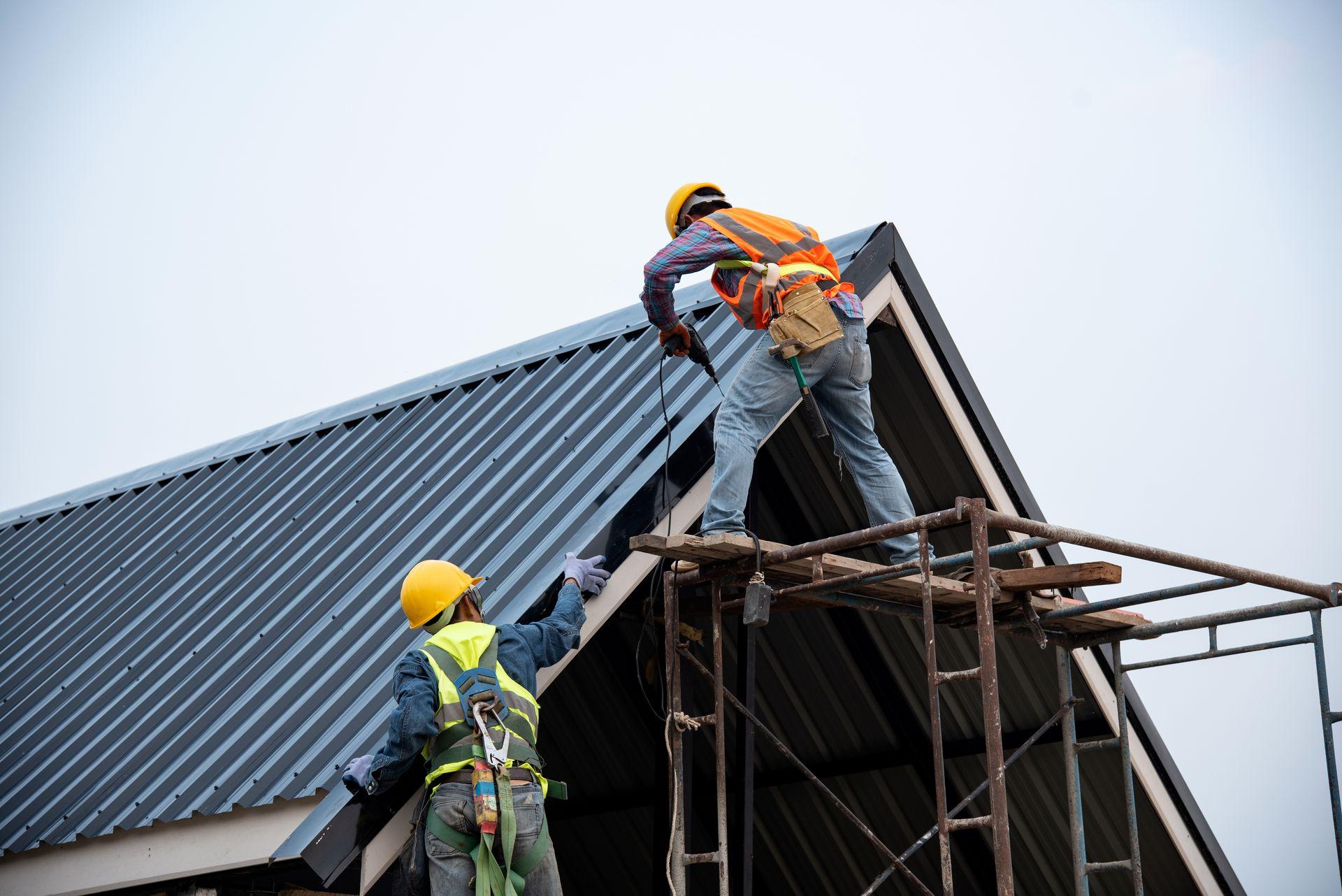
Choosing the right roofing material is a critical decision that homeowners face when installing or replacing a roof. Roofing contractors emphasize several key factors to guide this choice, ensuring durability, cost-effectiveness, and aesthetic appeal. One of the primary considerations is the local climate, as certain materials perform better under specific weather conditions. For instance, asphalt shingles are popular due to their affordability and versatility but may not hold up well in extreme heat or heavy snowfall compared to metal or tile options. Contractors often advise evaluating how materials respond to temperature fluctuations, moisture levels, and wind resistance.
Another important aspect is explore the full story longevity of roofing materials. While some products like slate or metal roofs can last 50 years or more with proper maintenance, others such as wood shakes generally have shorter lifespans. Roofing professionals recommend balancing initial costs against long-term value since investing in a durable material might reduce future repair expenses and increase property value. Maintenance requirements also influence selection; some materials demand regular treatments or inspections to prevent damage from mold, rot, or corrosion.
Aesthetic compatibility with the home’s architecture plays a significant role as well. Contractors suggest choosing colors and textures that complement existing exterior elements while considering neighborhood standards and homeowner association guidelines if applicable. This attention to visual harmony enhances curb appeal without compromising functionality.
Energy efficiency has gained prominence in recent years due to rising energy costs and environmental concerns. Certain roofing materials offer better insulation properties or reflectivity that can lower heating and cooling expenses by regulating indoor temperatures more effectively. Professionals often recommend exploring options labeled Energy Star certified for improved performance.
Environmental impact is another factor increasingly considered during material selection discussions between contractors and clients. Sustainable choices such as recycled metal roofs or sustainably harvested wood contribute less waste during installation and disposal phases than traditional alternatives.
Finally, ease of installation influences both project timelines and overall cost estimates provided by roofing companies. Some materials require specialized skills or equipment which might increase labor charges but ensure higher quality outcomes when installed correctly.
In summary, selecting an appropriate roofing material involves careful assessment of climate suitability, durability expectations, maintenance needs, aesthetic preferences, energy efficiency benefits, environmental impact considerations, and installation logistics-all areas where professional roofing contractors provide valuable insights based on experience working with diverse products across various settings worldwide.